


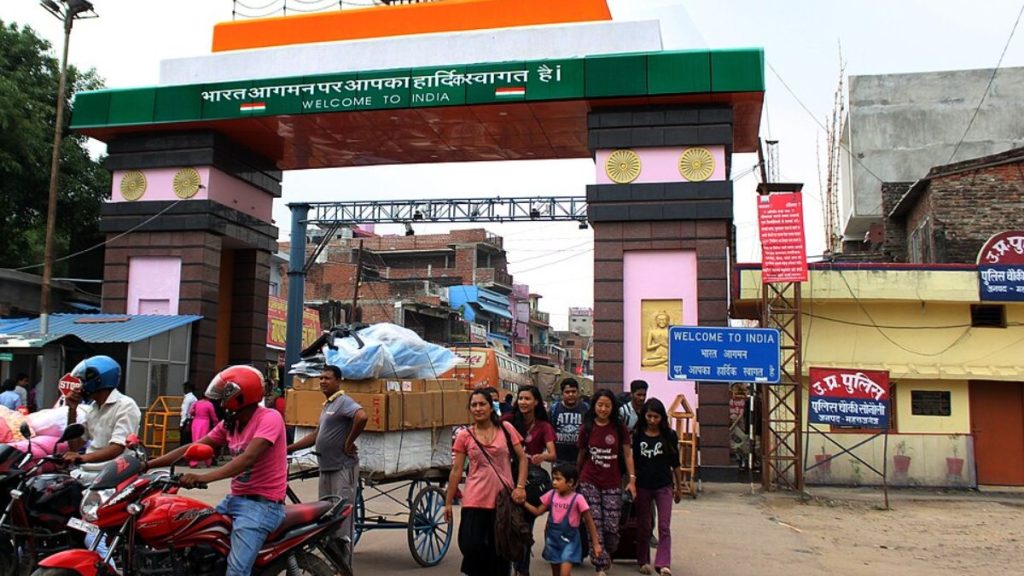
New Delhi: India and Nepal are moving towards digital cross-border vehicle permits for private and non-regular passenger transport, seeking to replace parts of a paperwork heavy process with online applications, payments and digitally issued passes. The initiative follows the fourth India-Nepal cross border transport facilitation joint working group meeting, which reviewed permit delays, border procedures and passenger connectivity after an eight-year gap in the mechanism.
India is developing a cross-border vehicle permit system, while Nepal has begun work on a digital portal. The proposed procedure is expected to take around seven months to prepare, but that period refers to developing the new mechanism rather than a confirmed date for full implementation.
Applications are expected eventually to be completed online, including payment and issuance of the permit, according to details emerging from the August 20-21 meeting. A joint technical committee involving transport and other relevant agencies will work on digitization and revised protocols.
Nepali vehicles entering India for up to three months currently pay between NPR 3,100 and NPR 8,720, depending on the type of vehicle and duration of stay, according to the Kathmandu Post. Vehicles travelling beyond the nearest Indian municipal town, market or railhead, or staying overnight, also require a vehicle permit and must complete prescribed formalities, including submission of a bank guarantee through the embassy of India in Kathmandu or the Consulate General of India in Birgunj. Nepali vehicles making same day visits to the nearest border market or municipal area do not require a permit.
Indian registered vehicles can similarly visit the nearest municipal area or market in Nepal on a day pass, or challan, but those travelling farther or staying overnight must register for the required period and pay NPR 100 to NPR 500 per day, depending on vehicle type. Their total stay is capped at 30 days in a calendar year.
Nepal also raised delays in India’s countersignature, or approval, of route permits. The two sides agreed to an interim 45-day processing period under the manual system and advised operators to apply for renewal at least two months before expiry. Existing permit and countersignature fees will remain unchanged for now, while Nepal’s proposal to extend permit validity from one year to two years was not accepted.
A proposed one-month fee-free buffer remains under consideration and would require changes to the bilateral arrangement.
FASTag, buses and border queues.
India has also proposed exploring FASTag access for Nepali vehicles, including possible partnerships between Nepali banks and Indian issuing banks. Nepal, in turn, has proposed examining interoperability between FASTag and its NTag system, but no such arrangement has yet been implemented.
The talks also produced an agreement to operationalize the Kathmandu-Sunauli-Gorakhpur-Jaipur and Pokhara-Sunauli-Gorakhpur-Jaipur passenger routes. Several other routes proposed by Nepal remain under consideration or require consultations with Indian state governments.
The wider discussions covered dedicated lanes for passenger buses, shorter queues at integrated check posts, parking and ticket counter facilities and better coordination among transport, customs and immigration authorities.
The 2014 bilateral agreement was designed to simplify passenger movement, support regular bus services and strengthen tourism and people-to-people links.
India is to share draft protocols for personal and non-regular passenger vehicles within two months, with Nepal expected to respond within two months of receiving them, according to the meeting minutes. Nodal officers are also to be appointed as both sides work towards the final operating arrangements for the digital permit system.