


New Delhi: The decision by the United States president, Donald Trump, to call off a planned military strike on Iran appears to have been shaped not only by diplomatic appeals but also by concerns among Gulf allies that another American attack could expose the region’s energy infrastructure to Iranian retaliation.
Saudi Arabia, the United Arab Emirates and Qatar urged Trump to give negotiations more time, with Saudi crown prince Mohammed bin Salman warning that a fresh escalation could have serious consequences for the global economy. Gulf states have remained particularly vulnerable because any Iranian response could target energy facilities, shipping routes or US-linked military assets across the region.
Trump said he had discussed the possible military action with the Saudi crown prince on Saturday and asked whether Riyadh would prefer another attack or a negotiated settlement. The response, according to Trump, was in favour of a deal because the consequences of further strikes could be difficult to predict.
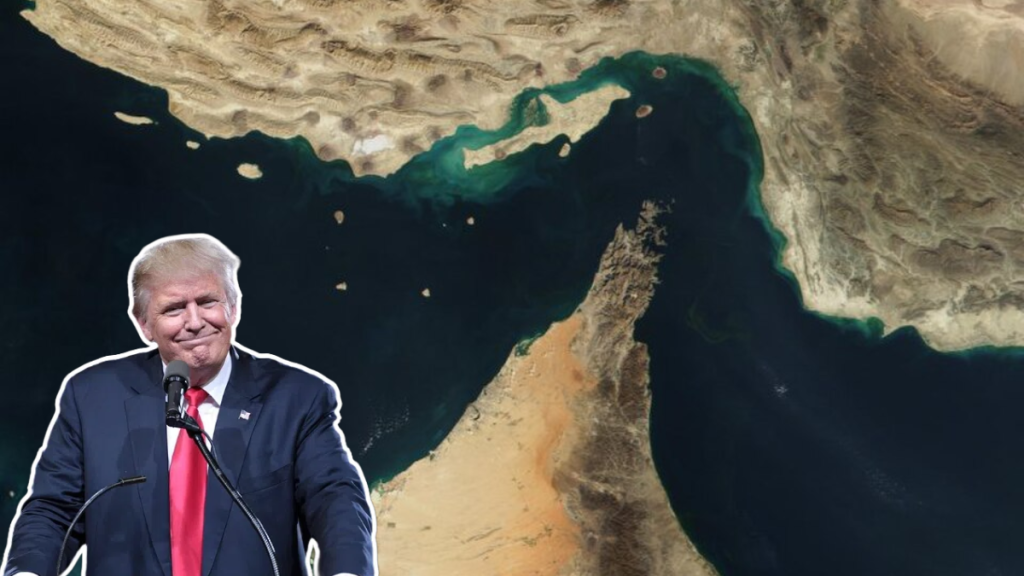
The calculations are particularly significant because the conflict has already disrupted the Strait of Hormuz. Before the war, around a fifth of global oil and liquefied natural gas shipments passed through the waterway, and its disruption has contributed to higher energy prices and broader inflationary pressure.
Iran, however, has signalled that reopening Hormuz will not be a straightforward outcome of negotiations. The country’s foreign ministry spokesman, Esmaeil Baghaei, said Tehran was discussing shipping arrangements with Oman but stressed that those discussions did not amount to an agreement on reopening the strait.
The dispute over Hormuz therefore remains central to the diplomatic effort. Washington wants unrestricted navigation through the waterway, while Tehran appears to be seeking new arrangements rather than simply restoring the situation that existed before the conflict began.
Trump said talks with Iran would take place on Monday afternoon but did not set a deadline for an agreement. Speaking aboard Air Force One while returning to Washington, he also indicated that he was willing to give diplomacy more time rather than immediately return to military action.
Iran has meanwhile intensified its diplomatic contacts. Foreign minister Abbas Araqchi held calls with Saudi counterpart prince Faisal bin Farhan and Pakistan Army chief General Asim Munir, while Iranian and Omani officials continued discussions over shipping through Hormuz.
The pause in US military action has not removed the possibility of another escalation. Israel has maintained that it would strike Iran if Tehran attempts to revive its nuclear programme or expand its ballistic missile capabilities, keeping military pressure alongside the emerging diplomatic track.
For now, the immediate question is whether Monday’s talks can produce movement on Hormuz and Iran’s nuclear programme before the economic and military pressures that prompted the pause once again push the region towards escalation.