


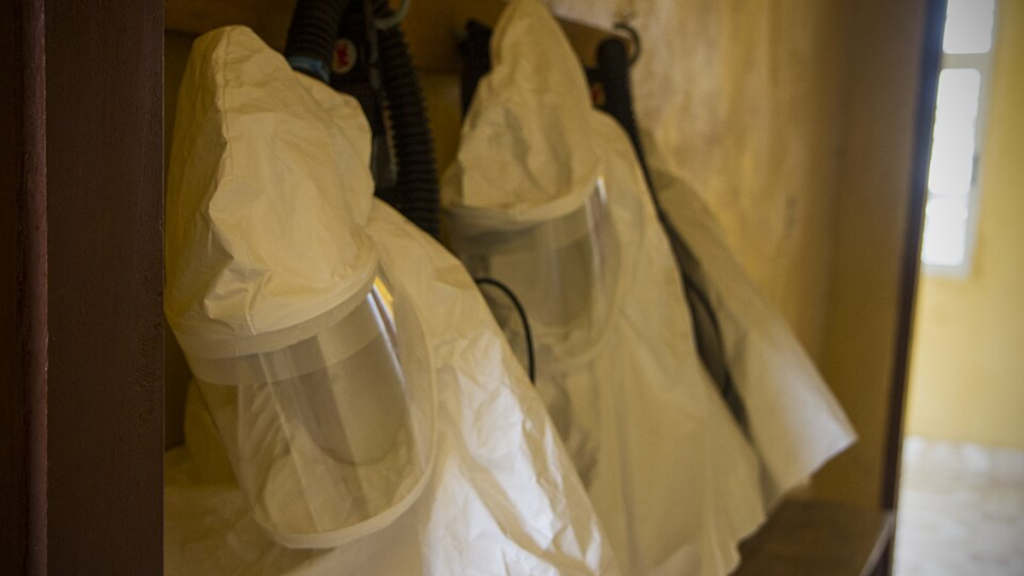
New Delhi: The Ebola crisis in eastern Democratic Republic of Congo (DRC) is entering a critical phase, with the World Health Organization warning that the outbreak could become the deadliest Ebola epidemic ever recorded if its current pace of transmission continues. More than 2,000 people have died among over 4,300 reported cases, with the virus spreading across several provinces in a region already struggling with conflict and a fragile healthcare system.
WHO director general, Tedros Adhanom Ghebreyesus said the trajectory of the outbreak could overtake the 2014–16 epidemic in West Africa, which killed more than 11,000 people. The earlier epidemic, which affected Guinea, Liberia and Sierra Leone, remains the deadliest Ebola outbreak on record.
What makes the situation in Congo particularly concerning is the speed at which infections have accumulated. The outbreak was officially declared in May, but subsequent genetic analysis indicated that transmission had already begun months earlier, allowing the virus to circulate before a large-scale response was activated.
The response is now being conducted against a backdrop of armed conflict, displacement and limited access to basic services. Many of the affected communities in eastern Congo are difficult for medical teams to reach, and shortages of healthcare infrastructure and disruptions among health workers have worsened difficulties in identifying infections and isolating patients.
The virus is also spreading in areas where people do not have trust in the healthcare agencies. Mistrust and misinformation have made it difficult for the response teams to persuade the people to take care of themselves.
Another big challenge is the identity of the virus itself. The outbreak is caused by the Bundibugyo virus, a less common strain of Ebola, with no approved vaccines or specific treatments. The strain has caused outbreaks in Uganda and Congo previously, but the current epidemic’s scale and pace has posed a much bigger public health problem.
Scientists are now racing to close that medical gap. Two vaccine candidates designed specifically for Bundibugyo virus are being tested in humans, while researchers are also examining whether an existing Ebola vaccine could provide protection against the strain. Clinical trials of two experimental treatments have also begun in Ituri province, the worst-affected area.
WHO officials expect the epidemic to continue for several more months. The agency has warned that the outbreak could peak within six months under a moderate scenario, while a prolonged transmission pattern could keep it active for up to a year.
The origins of the epidemic are also becoming clearer. According to studies, the virus is not one that was responsible for the Bundibugyo outbreaks in the past, and there is proof that the disease was transferred from an animal to a person, rather than it being an extension of the past outbreaks.
The priority of health officials is now to prevent the spread of the virus until the outbreak gains more ground. However, considering the difficulty of reaching those affected and testing medical means of fighting the virus, the race against time is on in Congo.