


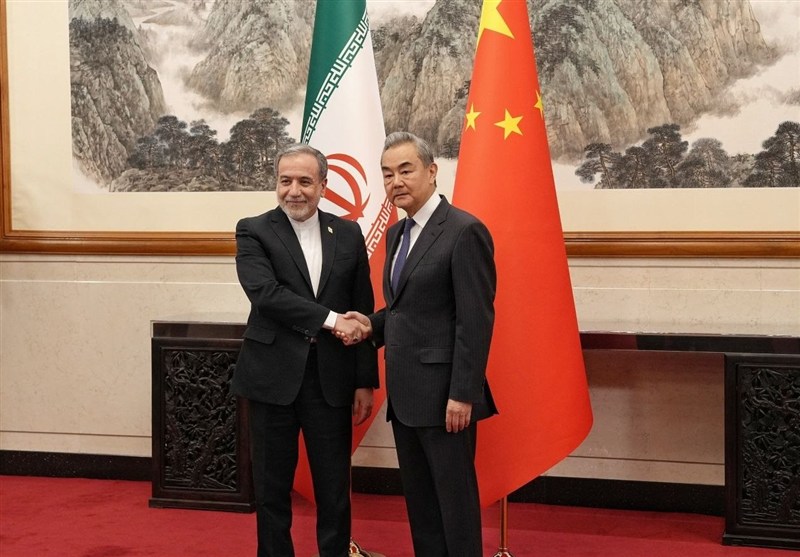
New Delhi: The Iranian foreign minister, Abbas Araghchi, met his Chinese counterpart, Wang Yi, in Beijing on Wednesday with the Iran-US conflict, bilateral ties and wider regional tensions high on the agenda. The meeting saw Beijing call for restraint and a return to diplomacy, with Wang urging Tehran and Washington to rebuild their negotiating framework on the basis of the existing Islamabad memorandum of understanding (MoU).
Wang said the continuation of hostilities between Iran and the United States would serve neither side, according to the Iranian account of the talks. He also called for the two countries to resume substantive negotiations, signalling that Beijing continues to favour a diplomatic settlement rather than a further escalation of the conflict.
The Chinese position also carries a strong maritime dimension, particularly because the conflict has disrupted traffic through the Strait of Hormuz, one of the world’s most important energy corridors. Reuters reported that Wang urged the reopening of the waterway to help stabilize international energy transport and prevent the conflict from generating further instability around the Red Sea and Yemen.
The reference to the Islamabad MoU is significant because the agreement has become the principal diplomatic framework cited by the parties and their interlocutors since it was reached earlier this year. The 14-point arrangement was intended to halt military operations, establish a period for broader negotiations and address issues including the Strait of Hormuz, sanctions and Iran’s nuclear programme.
Tehran, however, has maintained that the United States must return to its commitments under the MoU before conditions can normalize. Araghchi said on September 13 that reopening the Strait of Hormuz was conditional on Washington returning to the MoU, while describing separate Iranian-Omani work on maritime arrangements as an effort to establish a framework for shipping rather than an immediate reopening of the waterway.
China has repeatedly backed the use of negotiations to resolve the conflict and has sought to position itself as a diplomatic interlocutor with access to both Tehran and Washington. In July, Wang and Araghchi also discussed the same memorandum, with the Chinese foreign minister calling for the progress achieved through dialogue to be preserved and for negotiations to resume.
The latest meeting is therefore part of a continuing Chinese diplomatic effort rather than an isolated intervention. Beijing has maintained close political and economic relations with Tehran, while also having substantial interests in the Gulf and in the uninterrupted movement of energy and commercial shipping through regional waterways.
The timing of Araghchi’s visit also gives the discussions wider diplomatic significance. The talks came only about a week before an expected meeting between the Chinese president, Xi Jinping, and the US president, Donald Trump, where the Iran conflict and China’s economic relationship with Tehran are expected to feature alongside broader disputes between Beijing and Washington.
For Beijing, the challenge is to preserve its strategic relationship with Tehran while avoiding a wider regional disruption that could affect China’s commercial and energy interests. Its repeated emphasis on negotiations, regional security and the restoration of safe navigation reflects that dual interest, even as China continues to criticize the use of force against Iran.
Araghchi’s visit also underlines the importance Tehran attaches to coordination with Beijing at a particularly sensitive stage of the conflict. The two sides were expected to review their bilateral relationship as well as developments across the Middle East and the wider international system, according to the Chinese Foreign Ministry’s announcement ahead of the visit.
Whether the Beijing discussions produce a new diplomatic initiative will depend largely on whether Washington and Tehran are prepared to return to the negotiating framework referred to by Wang. For now, the meeting demonstrates that China is seeking to keep diplomacy alive while simultaneously pressing for the restoration of stability in the Gulf and normal movement through the Strait of Hormuz.