


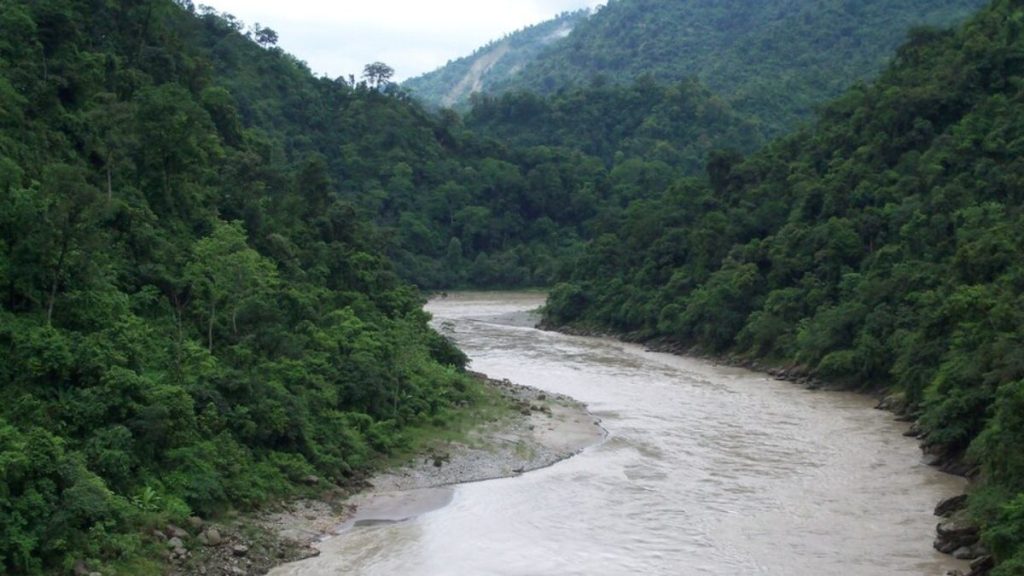
Bangladesh has sought help from China to help with its Teesta River restoration project, as the waters recede every dry season, affecting millions of Bangladeshis’ livelihoods.
As the Bangladeshis rely on the Teesta River water for survival, Dhaka has sought India’s help for decades. Now, Bangladesh Prime Minister Tarique Rahman, who took over in February, formally asked China earlier in May to help with the Teesta River restoration project.
The restoration project, estimated to cost $1 billion, aims to dredge and rehabilitate over 102 km of waterway that originates in the eastern Himalayas and passes through India’s Sikkim and West Bengal, before flowing into Bangladesh.
Bangladesh requested China after Foreign Minister Khalilur Rahman met with his Chinese counterpart Wang Yi in Beijing on May 6. In the meeting, Wang reaffirmed China’s willingness to extend its Belt and Road Initiative development projects to Bangladesh and met Dhaka’s development goals.
China has been keen on getting involved in the Teesta River restoration project. Beijing’s strategic interest in the Teesta River project is attributed to the proximity to India’s Siliguri Corridor, a 20-km-wide and 60-km-long piece of land, also called the Chicken’s Neck, as it is the only land route to the northeastern states.
The Siliguri Corridor is a chokepoint in West Bengal surrounded by Nepal, Bangladesh, and Bhutan. The Siliguri Corridor is called the Chicken’s Neck as it is a vulnerable sliver of land, as blockading it or cutting it off militarily could alienate the eight Indian northeastern states from the mainland.
India is yet to sign a treaty with Bangladesh on sharing the Teesta River waters, guaranteeing upstream water flows into Bangladesh, the downstream riparian nation, during the dry seasons.
Bangladesh feels vulnerable due to the lack of Indian guarantees, as its agricultural heartland parches a little more each year during the dry seasons. India, though, is still at the stage of proposing technical studies on the Teesta River restoration project.
China’s Power Construction Corporation is the agency that Beijing is expected to get involved in the Teesta River restoration project in case Bangladesh’s request is accepted. The Chinese company is expected to submit a final master plan for the project by the end of 2026.