


New Delhi: As debate over nuclear deterrence continues to shape global security policies, Hiroshima marked the 81st anniversary of the world’s first atomic bombing on Thursday with a renewed appeal for nuclear disarmament. City leaders and survivors warned that growing acceptance of nuclear weapons is pushing the world further away from lasting peace.
Speaking at the annual peace memorial ceremony, Hiroshima mayor Kazumi Matsui said the humanitarian consequences of nuclear weapons should never be overlooked in the pursuit of national security. He cautioned that treating nuclear arms as a legitimate tool of deterrence increases the risk of future conflict rather than preventing it.
According to Matsui, the efforts aimed at justifying the possession of nuclear arms and resorting to the use of force as a means of protecting national interests will bring about an extremely vicious circle, leading to another Hiroshima-Nagasaki type of tragedy in the future.
Hundreds of thousands of people from all over the world have attended the ceremonies held at the Peace Memorial Park of Hiroshima to honour those who perished during the bombing of 1945. The ceremony was attended not only by the victims, but by delegates representing nearly 120 states and territories. At 8.15am, when the atomic bomb hit Hiroshima, there was a minute of silence.
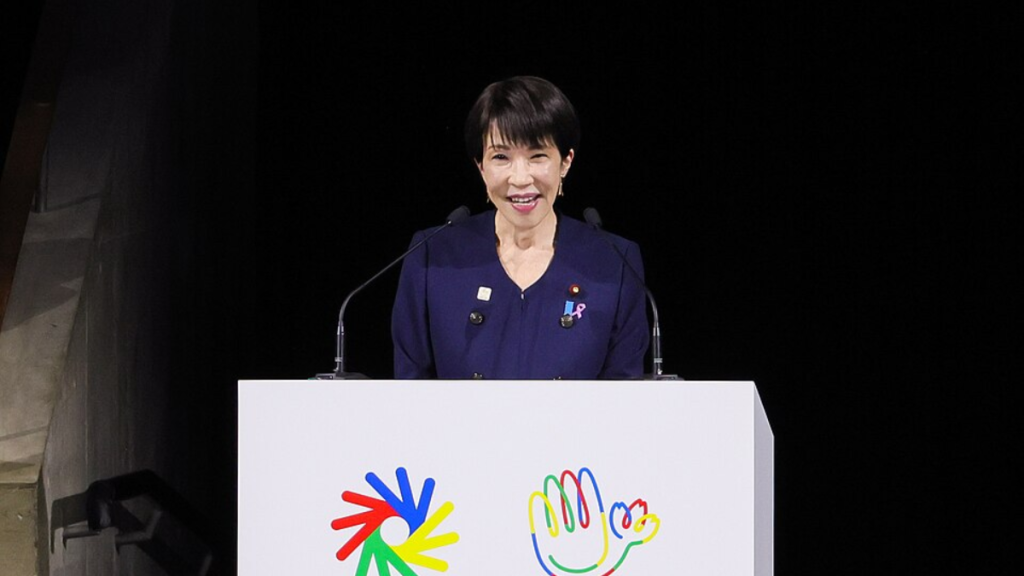
Japan’s prime minister, Sanae Takaichi, attended the memorial for the first time in office and reaffirmed Japan’s commitment to preventing the use of nuclear weapons. She said the government would continue to pursue what she described as a realistic approach towards nuclear disarmament while working within the framework of the Nuclear Non-Proliferation Treaty (NPT).
Her remarks come at a time when Japan’s security policies are under renewed scrutiny. The government is expected to update key defence and security documents later this year, prompting discussion over whether Tokyo could reconsider parts of its long-standing three non-nuclear principles. Takaichi has previously argued that Japan should review the principle that bars the introduction of nuclear weapons into the country, although she said on Thursday that the existing policy remains in place.
The debate has unsettled many survivors of the Hiroshima and Nagasaki bombings, who argue that increasing reliance on nuclear deterrence undermines decades of efforts to eliminate nuclear weapons. They have repeatedly urged the Japanese government to sign the Treaty on the Prohibition of Nuclear Weapons or at least participate in its meetings as an observer. Successive governments, however, have declined, citing Japan’s security alliance with the United States and the protection provided by the US nuclear umbrella.
In a message issued for the anniversary, the United Nations secretary-general, António Guterres, said Hiroshima continues to symbolise both the devastating consequences of nuclear warfare and humanity’s ability to rebuild after immense destruction. He urged nations to resolve differences through dialogue and cooperation rather than confrontation and called for renewed efforts to reduce nuclear risks.
American forces used the atomic bomb on Hiroshima in August 1945, and about 140,000 people lost their lives due to the attack by the end of that year. Another bomb was used three days later on Nagasaki, killing about 70,000 people. Japan surrendered on August 15, 1945, ending the Second World War.
More than 80 years after the bombings, the number of hibakusha, meaning “bomb-affected people” in Japanese, who have survived is continuing to decrease. Official statistics show about 91,000 hibakusha are alive today, with an average age of more than 86 years.