


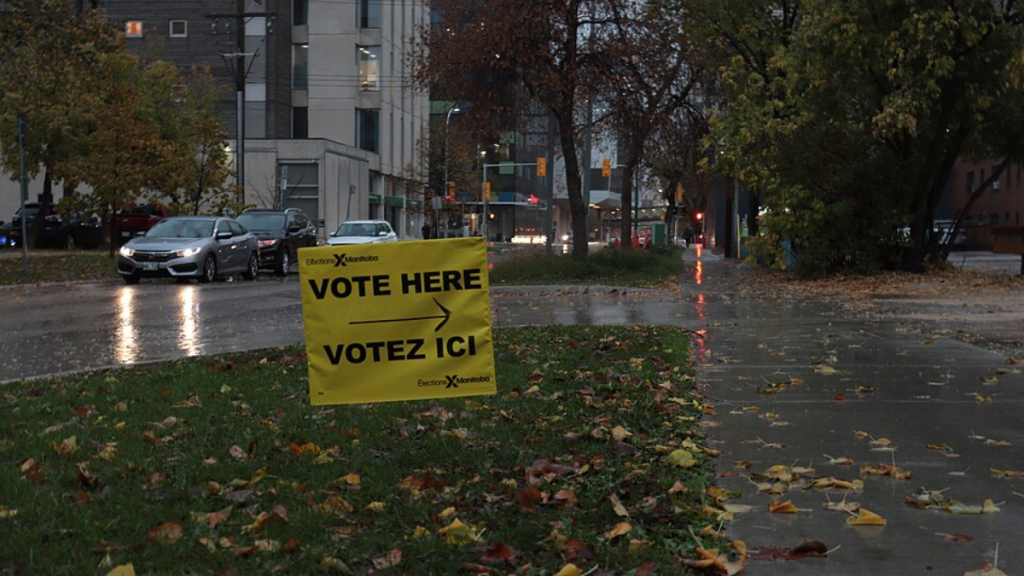
New Delhi: Polling is underway in Alberta on Monday, on whether the Canadian province should move towards a future binding referendum on separation from Canada. Polling stations are scheduled to remain open until 8pm local time, while counting of advance and mail-in ballots began at 5pm.
The result on the separation question, listed as Question 10 on the 10-question ballot, is expected between 1am and 4am local time on Tuesday. This corresponds to approximately 12.30pm to 3.30pm IST on Tuesday, CTV reported.
More than 1.35 million advance and special ballots have already been cast, representing 43.1 per cent of eligible electors, compared with 27.5 per cent at the equivalent stage before Alberta’s 2023 provincial election.
What are people voting for?
Voters are being asked whether Alberta should remain a Canadian province or whether its government should begin the legal process for a future binding referendum on separation. The other nine questions cover separate policy issues, including immigration and provincial powers. Voters can choose which questions to answer.
A vote in favour of the separation proposal would not make Alberta independent. The government would first need to pursue further legal and constitutional steps before a future referendum could determine whether the province should leave Canada. The Alberta premier, Danielle Smith, has said another vote could take place as early as 2027.
Smith opposes independence but called the vote following pressure from separatist groups and supporters within her governing United Conservative Party.
Why is Alberta holding the vote?
Alberta, a major oil-producing province in western Canada, has seen growing tensions with the federal government over natural resources, energy development and environmental regulations affecting its oil and gas industry.
Supporters of separation say federal policies have put a damper on energy development and that Alberta needs more control over its natural resources and the revenues they generate. The vote followed efforts by separatist groups to gather support for a petition seeking a binding referendum on independence.
However, recent polling suggests that most residents favour remaining in Canada. An Angus Reid Institute poll found that 66 per cent of respondents intended to vote to remain in Canada, while 34 per cent supported holding a future binding referendum on separation.
How much could independence cost Alberta?
Separation would raise huge financial, legal and administrative issues involving decisions on currency, trade, pensions, public services, government finances and Alberta’s relationship with the rest of Canada.
Separation could cost the province between C$50 billion and C$170 billion in the first five years, according to research by the University of Calgary’s School of Public Policy, quoted by the Guardian.
There would also be complicated legal questions around existing treaty obligations and indigenous rights. An Alberta court previously blocked an earlier separation petition over concerns about the lack of consultation with Indigenous communities.
What happens after the vote?
If the proposal is declined, Alberta will continue to be a part of Canada in its current constitutional form. If they decide that moving ahead is the right decision, then the government can go through the process of having a legally-binding referendum in the future.
Apart from the effect of the result, this vote can impact the political discussion in Alberta and its relations with Ottawa on matters of energy, provincial powers and economic revenue sharing.