


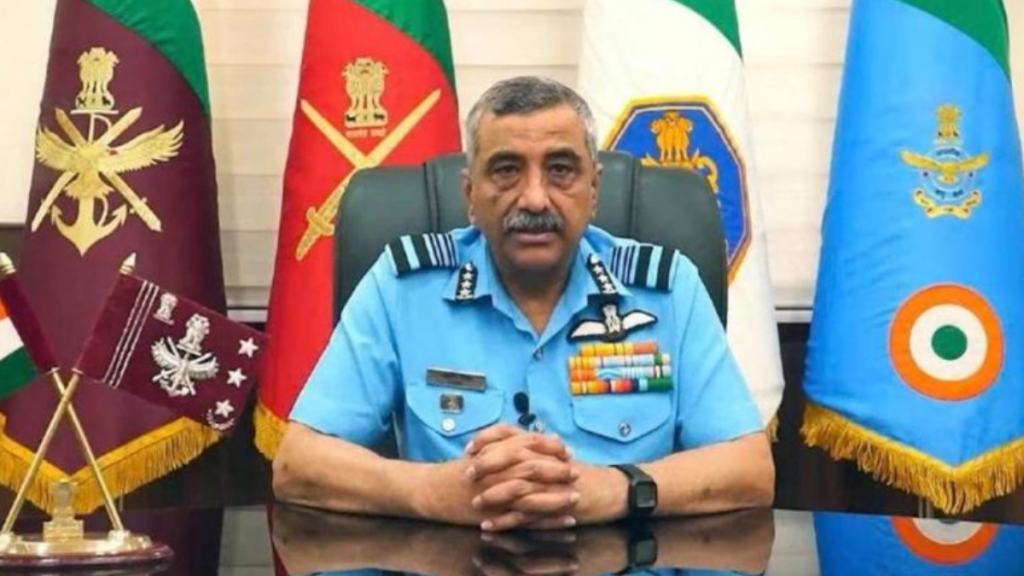
New Delhi: The Indian Air Force could begin inducting the indigenous light combat aircraft (LCA) Tejas-Mk1A within the next one to two months, as the fighter moves through its final testing phase, Air Marshal Ashutosh Dixit, vice-chief of the air staff (VCAS) of the IAF, said on Tuesday. The timeline comes after earlier engine supply constraints were resolved and the required engines were installed on the aircraft.
The IAF is now conducting detailed flight and systems trials to establish the aircraft’s remaining technical parameters before it is formally handed over for operational use. Air Marshal Dixit said only two or three technical points are still left to be proven.
According to the vice-chief of Air Staff, the earlier delay was mainly linked to the availability of engines. He said the engines have now been received and integrated into the aircraft, allowing the programme to move ahead with the remaining testing.
AM Dixit said the outstanding technical issues are expected to be addressed within the next month or two, after which the aircraft can proceed towards induction. He also said the IAF is eagerly awaiting the entry of the Tejas-Mk1A into its fleet.
The Mk1A is an upgraded version of the indigenous Tejas fighter and is being developed to provide the IAF with enhanced capabilities while strengthening India’s domestic fighter aircraft programme. Its induction has been closely watched amid the IAF’s efforts to expand and modernize its fighter fleet.
Speaking to ANI in Jodhpur, Rajasthan, on Tuesday, Air Marshal Dixit said the aircraft was undergoing “proper and thorough testing” before its formal induction and that the remaining technical issues were expected to be overcome within one or two months.
His remarks come days after Hindustan Aeronautics Limited chairman and managing director, Ravi Kumar, said deliveries of the Tejas-Mk1A had been delayed by software integration challenges. Kumar said extensive software-related modifications were still being carried out during the testing stage.
Kumar had said the aircraft was not yet ready for delivery and that HAL was working to resolve the issues before beginning the handover process. He also declined to commit to a specific delivery timeline, citing the amount of software involved and the changes required during testing.