


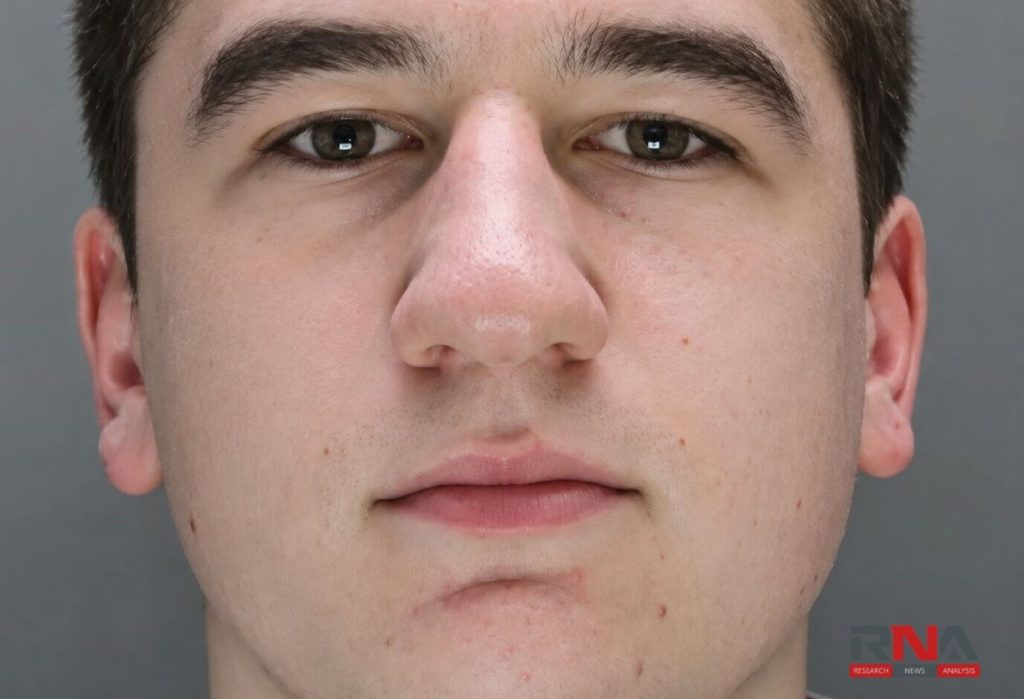
New Delhi: A British cybercriminal who hacked some of the world’s biggest technology companies and leaked confidential footage of Grand Theft Auto VI has walked free from court despite being sentenced to seven years in prison. The judge ruled that 21-year-old Arion Kurtaj, who had previously been detained indefinitely in a secure psychiatric hospital, had already spent sufficient time in custody to qualify for release on licence, bringing an unusual conclusion to one of Britain’s most high-profile hacking cases.
Kurtaj, a member of the notorious Lapsus$ cybercrime group, was sentenced at Woolwich Crown Court in London on Monday for a series of attacks targeting Rockstar Games, Uber, Revolut and British telecommunications companies BT and EE. However, the judge, Justice Turner, allowed his release after considering the period he had spent in hospital and on remand in prison, while imposing stringent restrictions on his future online activities.
Under a Serious Crime Prevention Order, Kurtaj will face restrictions on his internet activities for five years, including prohibitions on using the messaging platforms Telegram and Discord. The order is intended to prevent him from returning to the online networks through which he previously participated in cybercriminal operations, although his release on licence means he remains subject to supervision and potential recall to prison if he breaches applicable conditions.
According to BBC, Turner acknowledged Kurtaj’s considerable technological abilities and warned him against wasting his future through further criminal activity. The judge described him as a talented young man and told him, “Don’t let this happen again,” making clear that his release should not be interpreted as an opportunity to resume hacking.
From indefinite hospital detention to freedom
The decision represented a remarkable reversal in Kurtaj’s circumstances, as he had originally been considered too unwell to face conventional criminal proceedings because of his autism. Following a trial of the facts at Southwark crown court in August 2023, a judge ordered his indefinite detention in a secure psychiatric hospital that December after medical assessments found him unfit to enter pleas or participate in a normal criminal trial.
At the time, the court had expressed serious concerns about his continued interest in hacking and the possibility that he would commit further offences if given unrestricted access to computers. His hospital detention was therefore linked to assessments of his mental condition and the risk he presented, rather than a conventional prison sentence with a predetermined release date.
His legal position subsequently changed when fresh medical assessments concluded that he was capable of standing trial, leading to his transfer from secure hospital care into the ordinary prison system. That development reopened the possibility of conventional criminal proceedings, and on November 16, Kurtaj pleaded guilty to a series of offences committed when he was only 16 and 17 years old.
The defence presented a more complicated picture of his involvement in cybercrime, explaining that his difficulties with social interaction had made the online world particularly important to him. His lawyers argued that isolation during the Covid-19 pandemic had deepened his dependence on internet communities, and that his association with Lapsus$ had provided a sense of belonging and personal recognition that he struggled to find elsewhere.
According to the defence, Kurtaj had initially encountered individuals who introduced him to cheating in video games before becoming involved with people engaged in more serious hacking activities. The explanation offered context for his behaviour without removing his criminal responsibility, leaving the court to balance the seriousness of his offences against his medical history, personal circumstances and time already spent in detention.
How a hotel TV helped expose GTA VI
Kurtaj’s most notorious offence occurred in September 2022, when he penetrated the computer systems of Rockstar Games and stole 90 video clips containing nearly an hour of footage from the unfinished Grand Theft Auto VI. The material revealed previously undisclosed details about the highly anticipated game, including its female protagonist, compromising information the developer had intended to reveal through its own marketing campaign.
What made the intrusion particularly extraordinary was that Kurtaj carried it out while on bail and under police protection at a Travelodge hotel in Bicester, Oxfordshire. Authorities had confiscated his computer, but he used an Amazon Fire TV Stick connected to the hotel television, along with a keyboard and mouse, to continue his hacking activities.
He subsequently entered Rockstar’s internal Slack messaging system and threatened to release the game’s source code unless company representatives contacted him through Telegram within 24 hours. When Rockstar refused to comply, stolen development material appeared online under the pseudonym TeaPotUberHacker, triggering one of the biggest unauthorized disclosures in the history of the video game industry.
Rockstar subsequently estimated that recovering from the intrusion cost approximately $5 million, apart from thousands of hours of staff time spent investigating the breach and managing its consequences. The attack demonstrated how commercially valuable intellectual property could be compromised through weaknesses in corporate security, even when the attacker lacked access to a conventional computer.
Cyberattacks caused millions in losses
The Rockstar breach formed part of a wider campaign that had begun in 2021, when Kurtaj gained unauthorized access to BT and EE systems, contributing to fraudulent SIM-swapping incidents affecting customers. Such attacks allow criminals to take control of mobile telephone numbers, potentially intercepting authentication messages and gaining access to victims’ financial accounts and other online services.
He also targeted Revolut, compromising information belonging to thousands of customers, and Uber, where attackers extracted confidential data, deleted internal accounts and disrupted company systems. According to the Crown Prosecution Service, the Uber intrusion alone generated costs exceeding $2.8 million, while the broader hacking campaign caused losses estimated at approximately £10 million.
Prosecutors also linked Lapsus$ members to attacks against cryptocurrency investors, alleging that stolen information had helped the group obtain at least $300,000 from individual victims. Kurtaj’s subsequent conduct in custody added to the charges against him, including possession of a prohibited mobile phone and assaults on emergency workers, underscoring the difficulties authorities faced in managing his behaviour.
The case has attracted renewed attention because Grand Theft Auto VI was finally released on November 19, more than four years after the damaging leak. As RNA Media reported, the game generated an estimated $3.79 billion in worldwide retail sales during its first 24 hours, highlighting the enormous financial value attached to the franchise.
Kurtaj’s release raises broader questions about the criminal justice system’s ability to deal with technologically skilled offenders whose medical circumstances complicate conventional sentencing. His case also illustrates why cybersecurity cannot depend solely on sophisticated technical defences, as social engineering, compromised credentials and ordinary consumer devices can provide attackers with access to systems holding highly sensitive information.
For companies and law enforcement agencies worldwide, including those in India, the episode demonstrates the importance of protecting digital infrastructure against attackers operating through loosely organized international networks. Whether the court’s combination of supervised release and long-term restrictions will prevent Kurtaj from reoffending remains uncertain, but the judgment has established an unusual precedent in the handling of a young hacker whose activities inflicted substantial financial and reputational damage on major corporations.