


New Delhi: Indian and Sri Lankan troops are conducting joint counterterrorism drills covering urban patrolling, convoy protection and area ambushes during the 12th edition of Exercise Mitra Shakti at Maduru Oya in Sri Lanka. The 14-day exercise, running from November 13 to 26, includes 170 Indian personnel and focuses on improving interoperability during operations in semi-urban environments.

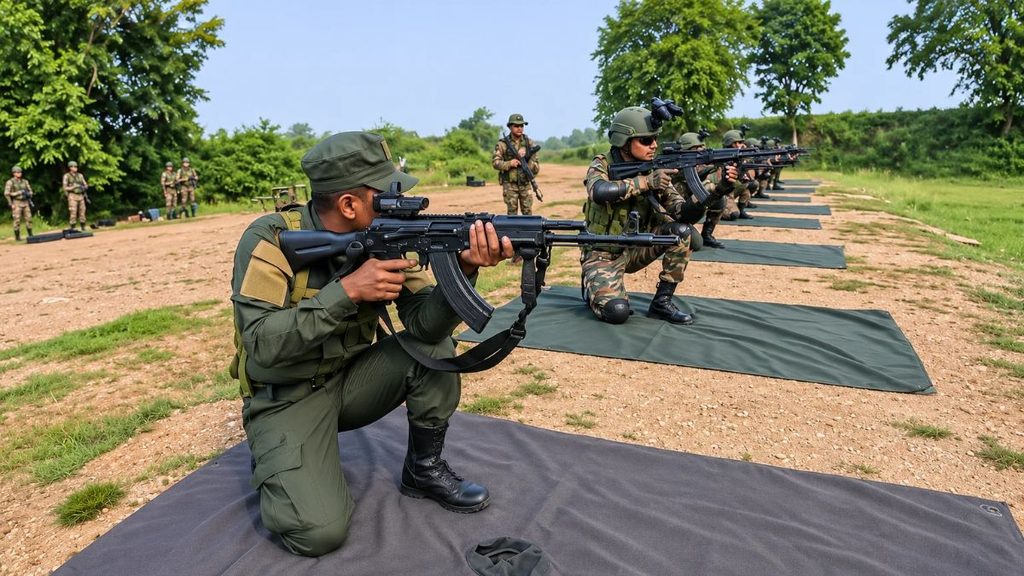
The Indian Army, in an official post on X, highlighted joint tactical planning, urban patrolling, ambushes, convoy protection and roadblock operations as key components of the ongoing training. The Indian contingent comprises 170 personnel, primarily from the Rajputana Rifles, along with troops from other arms and services and the Indian Air Force.
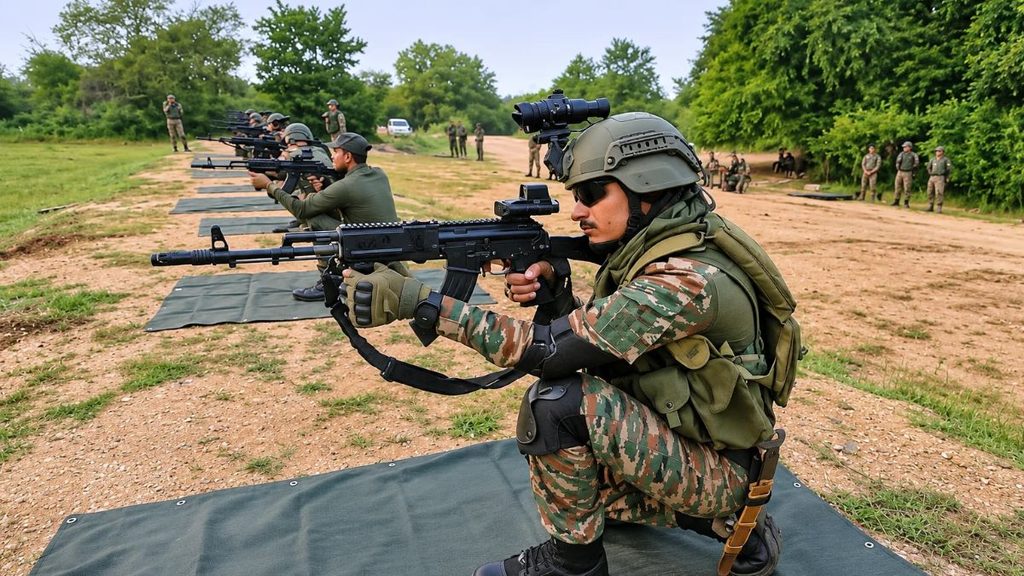
The Sri Lankan contingent includes personnel from the infantry, armoured corps, artillery, engineers, signals and other supporting arms, the Sri Lanka army said. Their participation brings different military specializations into the combined training programme.
Urban operations and specialized combat drills
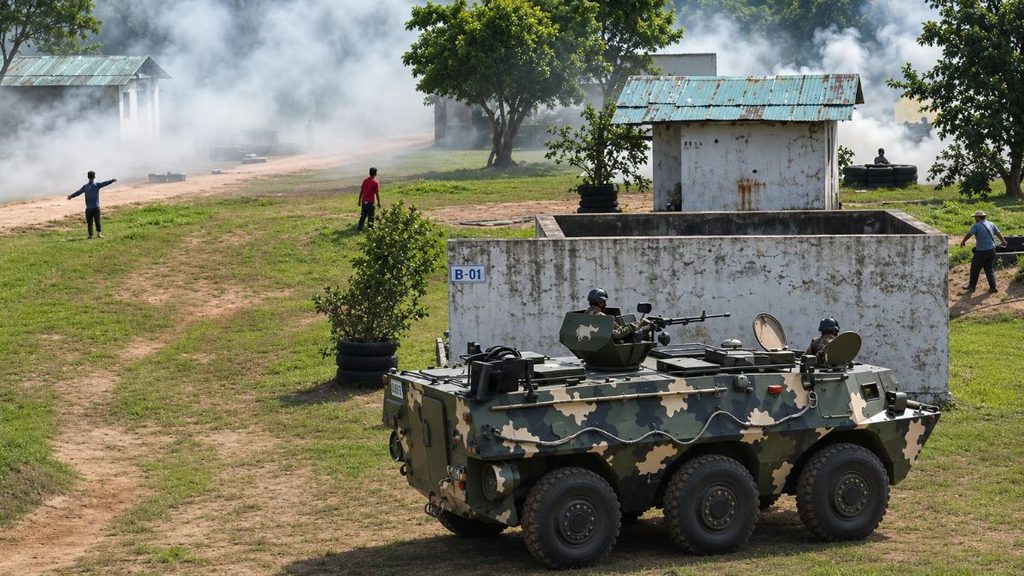
The training programme includes roadblock operations, urban patrolling, protection of vehicle convoys, area ambushes, crowd dispersal and combined arms operations against fortified positions. Joint planning and practical rehearsals are intended to improve coordination between troops operating with different procedures and tactical methods.
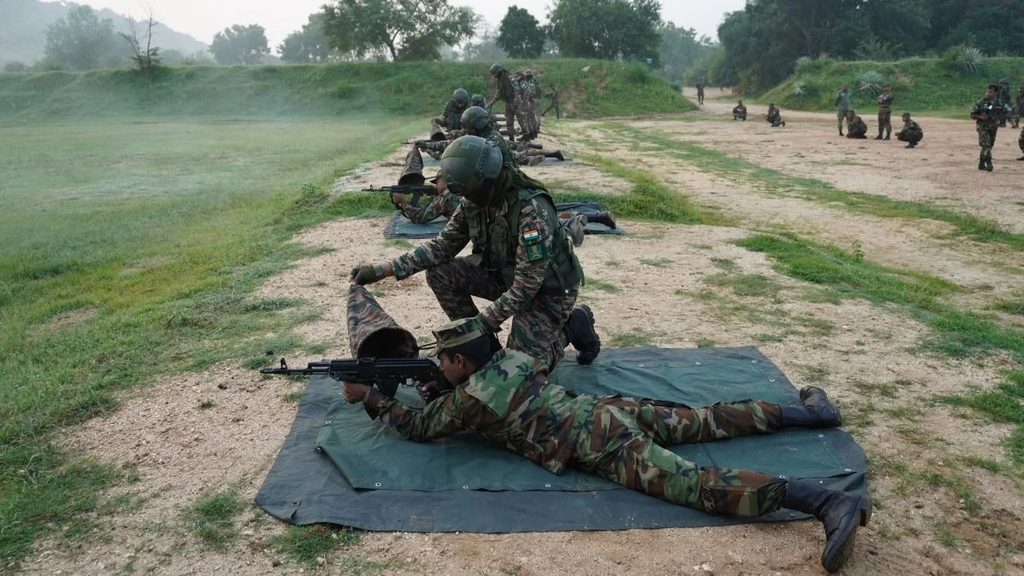
Participating troops have conducted live-firing practices and fighting in built-up areas training, followed by tactical rehearsals against a simulated fortified village, the Sri Lanka army said. These activities involved armoured personnel carriers, mechanized infantry vehicles and explosive ordnance disposal elements.
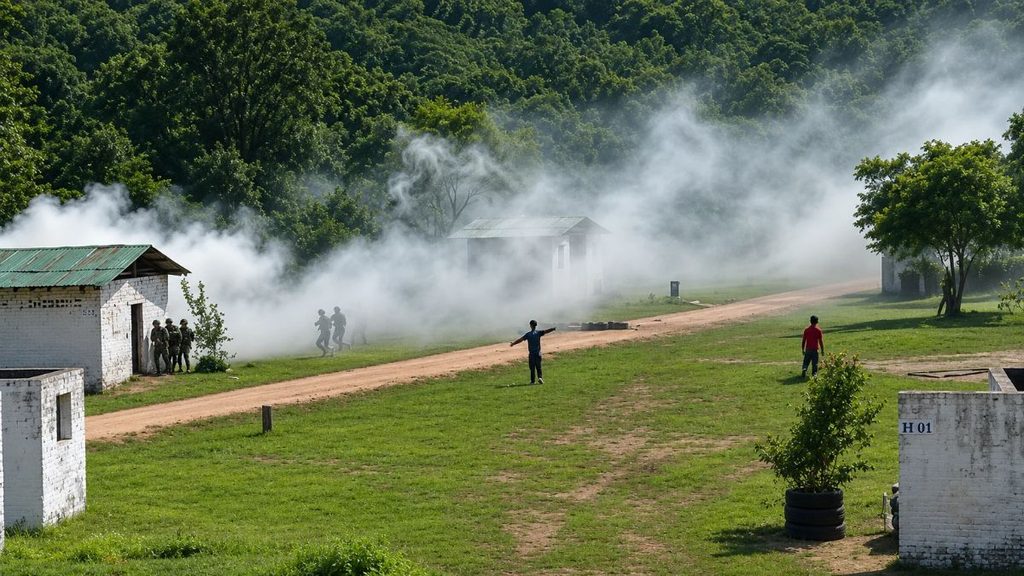
Another training session involved managing a simulated unlawful assembly at Maduru Oya Fishery Village. Before the crowd-dispersal drill, personnel received briefings on relevant legal provisions and the application of minimum force, the Sri Lanka Army said.
Day and night area ambush training was subsequently conducted in jungle terrain within Maduru Oya National Park and Omunugala forest reserve. Combined teams practiced fieldcraft, concealment and communication, with simulated firing, casualty management and tactical withdrawal forming part of the scenario.
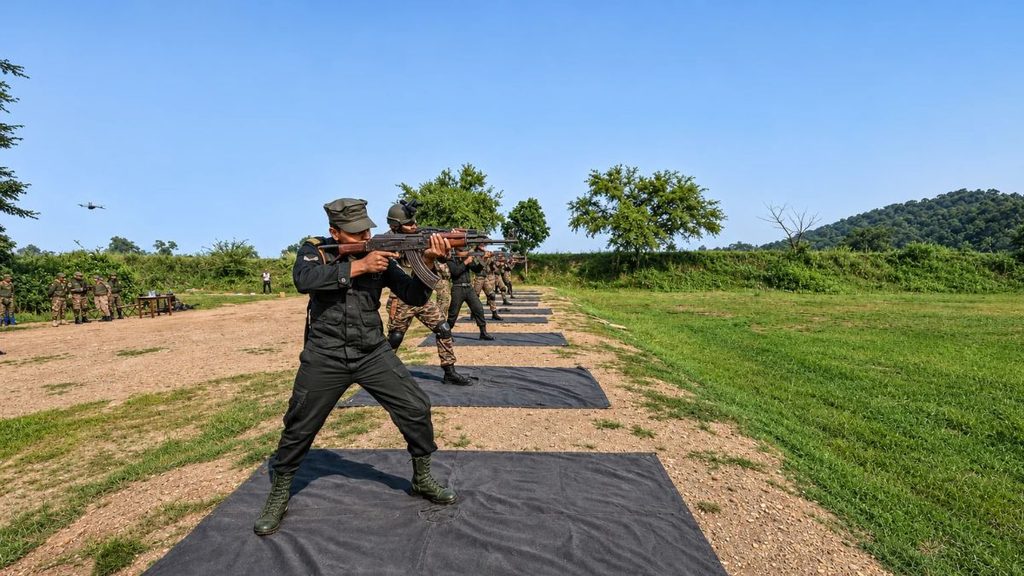
A separate drill focused on protecting military vehicle convoys in a simulated high threat environment. It followed instruction on convoy security and military movement protection, with participating troops practising coordinated responses during the exercise.
Counterterrorism operations under UN mandate
The exercise aims to strengthen the capabilities of both forces to undertake counterterrorism operations in semi-urban conditions under a United Nations mandate. Interoperability, operational coordination and combat readiness remain central objectives throughout the training period.
The preparatory sessions covered exercise objectives, operational scenarios and safety procedures, while technical integration and logistical arrangements brought the contingents together before field training. These exchanges allow personnel to compare tactical practices and rehearse coordinated operations in a controlled environment.
Joint validation exercise scheduled
The exercise will run until November 26 and is scheduled to culminate in a comprehensive validation activity. Indian and Sri Lankan personnel will jointly demonstrate the tactics, techniques and procedures practised during the two-week training programme.
The exercise began on November 13 with a focus on joint counterterrorism operations in semi-urban terrain under a United Nations mandate, as RNA Media reported. The ongoing training builds on those initial objectives through practical tactical drills and coordinated field exercises.
Mitra Shakti began in 2012 and is conducted annually, alternating between India and Sri Lanka, according to official military records. The 2025 edition took place at Belagavi in Karnataka, while Maduru Oya also hosted the 2024 exercise.
The exercise forms part of broader India-Sri Lanka defence cooperation, strengthened by a five-year agreement signed in April 2025 covering military training, joint exercises and capacity building. India also trains around 750 Sri Lankan military personnel annually, as RNA Media reported during defence minister Rajnath Singh’s visit to Colombo in September.