


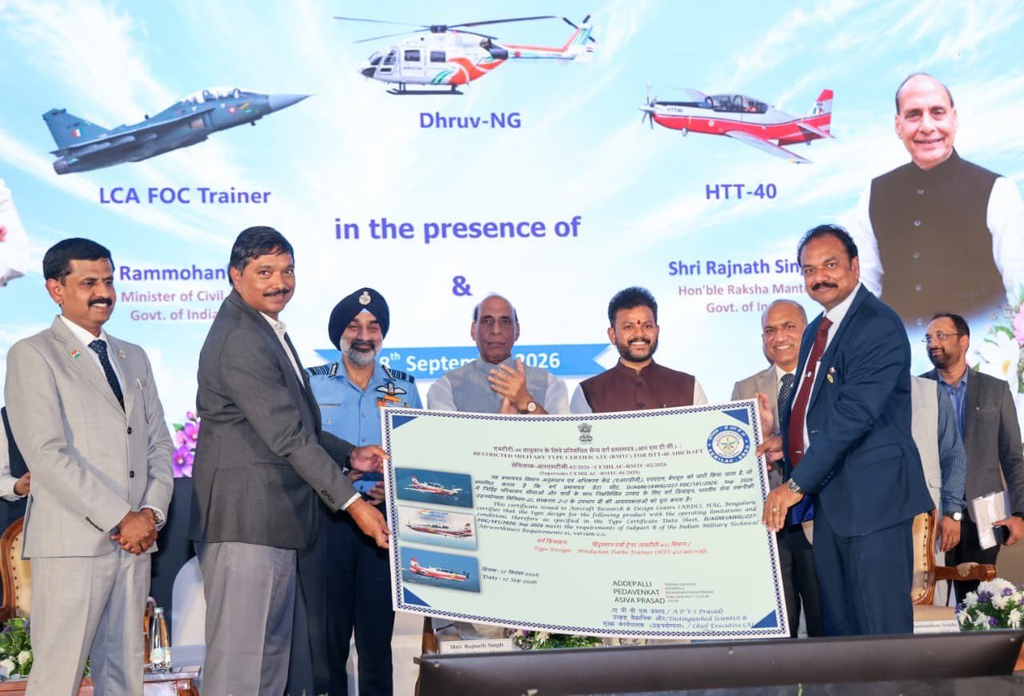
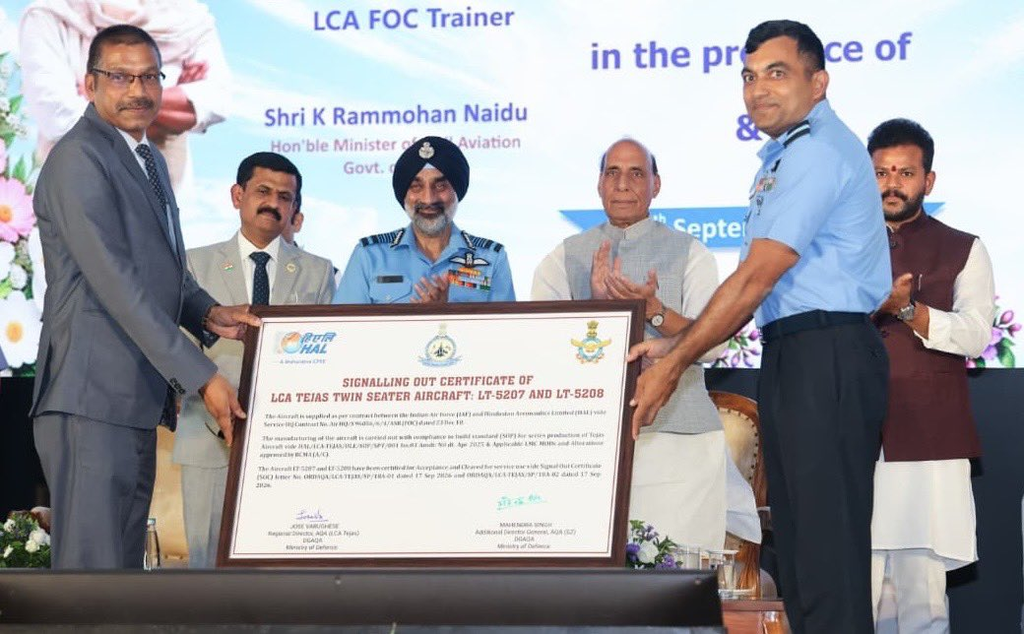
New Delhi: India’s indigenous aerospace team has reached another milestone on Friday as Hindustan Aeronautics Limited handed over two LCA Tejas FOC twin-seater trainers and three HTT-40 basic trainer aircraft to the Indian Air Force, along with four Dhruv Next Generation (NG) helicopter to Pawan Hans Limited. The aircrafts were handed over in Bangaluru In the presence of the defence minister, Rajnath Singh, and civil aviation minister, K Rammohan Naidu.
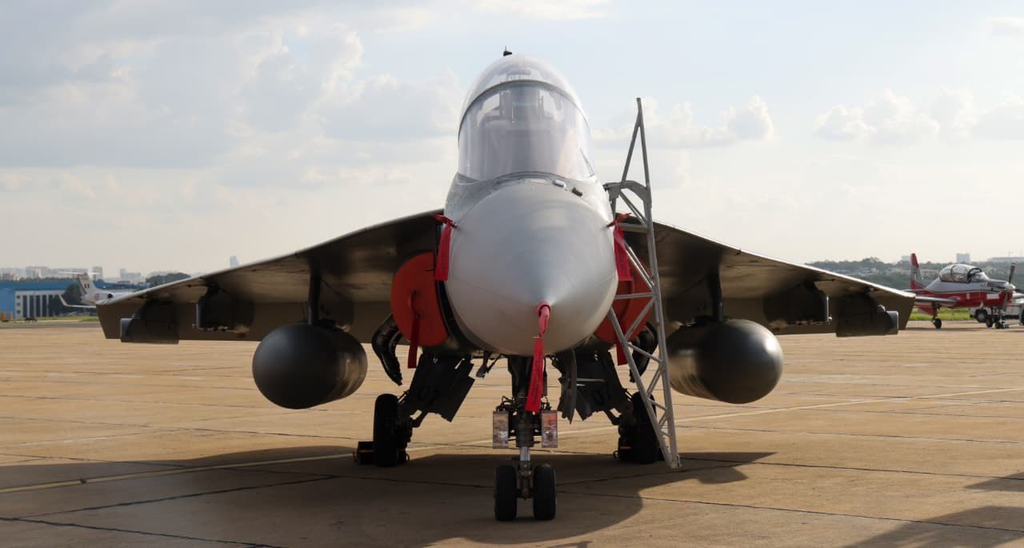
The two Tejas twin seater are the final aircraft under the FOC contract and will strengthen the IAF’s pilot training capacity. The trainer retains the core systems and combat capability of the frontline Tejas, allowing pilots to train on the same platform they are supposed to operate during service.

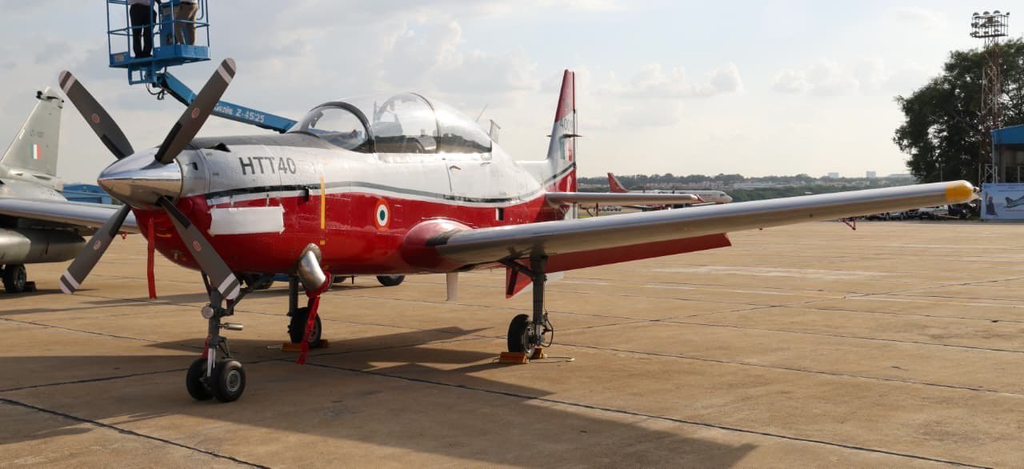
The HTT-40 marks a shift towards an indigenous solution for the armed forces’ basic training requirements. Designed and developed by HAL, the turboprop aircraft has a modern cockpit and avionics suite and can perform aerobatics, general handling, instrument flying, navigation, night flying and close formation flying.
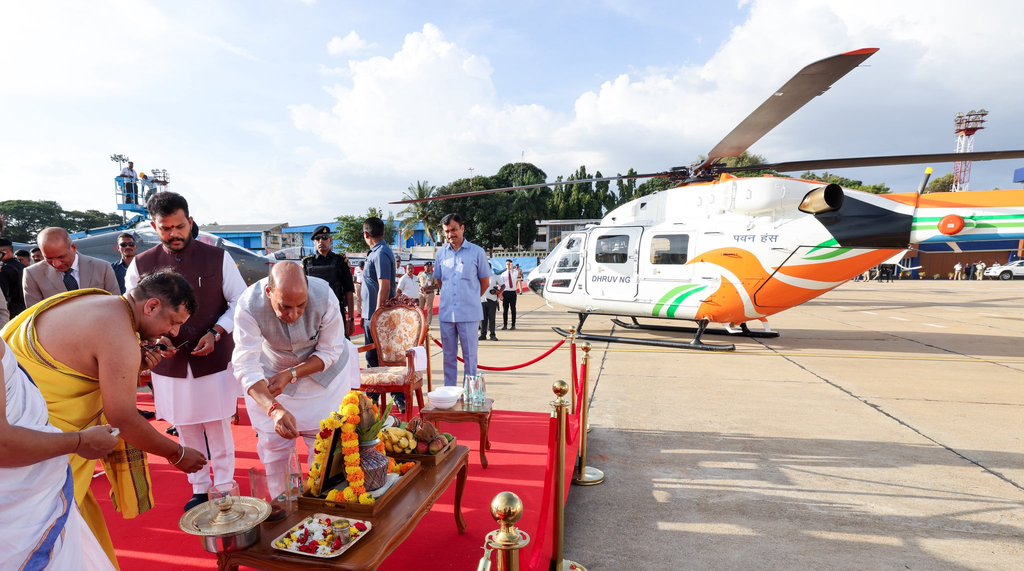
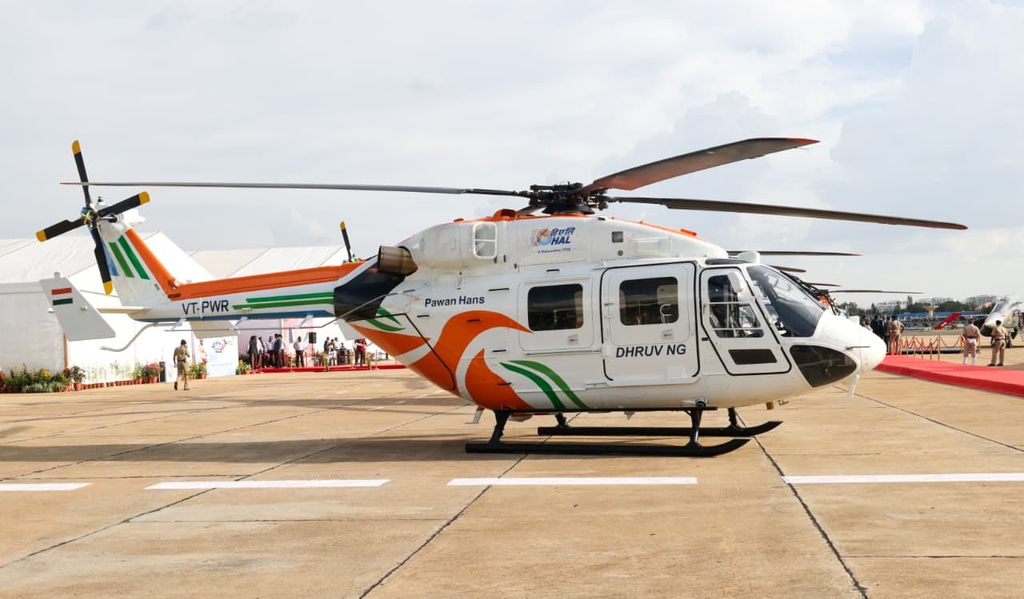
The handover also extended India’s indigenous aerospace push into the civil aviation market, with four Dhruv NG helicopters delivered to Pawan Hans. The civil variant features upgraded systems, modern avionics and a more powerful engine, and is designed for applications including passenger transport, emergency medical services and offshore logistics.

Rajnath Singh described the handover as a significant step in India’s efforts to build indigenous aerospace capability and reduce dependence on exported aircrafts. “Our aim is to make India capable, self-reliant, and globally competitive in meeting its aerospace requirements,” he said.
Singh stressed that aerospace self-reliance would have to be built progressively rather than through a sudden breakthrough. “There can be no sudden ‘big bang’ in the development of aerospace systems,” he said, pointing to the need to develop a wide range of components and capabilities step by step.

He said the country needed an aerospace ecosystem that served both military and civil aviation rather than focusing only on defence requirements. Capabilities in aircraft design, propulsion, composite materials, flight-control systems, manufacturing and certification, he said, would strengthen the wider aerospace industry.
The defence minister also highlighted the changing nature of warfare, saying future air operations would increasingly be information-intensive and technology-driven. He linked combat effectiveness to trained personnel, advanced technology, integrated systems and rapid decision-making, while saying the Tejas FOC trainer would play an important role in preparing pilots for future.

Singh described the Tejas trainer as a symbol of India’s growing military aerospace capability and the Dhruv NG as an example of its indigenous civil aerospace potential. He also highlighted the export potential of the HTT-40, expressing confidence that the basic trainer could find a market internationally.
Calling HAL a key pillar of India’s aerospace ambitions, Singh urged the company to strengthen capabilities across the value chain, from design and development to manufacturing, certification, lifecycle support and global marketing. He also called for realistic timelines in technical projects, warning that delays can create gaps in critical defence requirements, raise costs and increase the risk of technologies becoming obsolete.

Research and development was another key focus of Singh’s speech, with the defence minister requesting young scientists, engineers, designers, test pilots and technicians to work on technologies that do not exist today. He called for these efforts to help India establish a stronger position in global aerospace technology over the coming decade.
Singh also called for greater cooperation between public and private industry, saying there should be no competition between private and government industries instead both should work as collaborators. He specifically pointed to artificial intelligence, autonomous systems, unmanned aerial systems, electronic warfare, cyber technologies and next-generation propulsion as areas where indigenous development and integration would be crucial.

Naidu said the certification and induction of the Dhruv NG into civil operations marked an important milestone for India’s indigenous civil aviation ecosystem. HAL CMD Ravi K said the handover demonstrated the company’s ability to develop and deliver platforms for diverse defence and civil requirements, reflecting the capabilities built across India’s aerospace ecosystem.
The event was attended by the Indian Air Force chief, Air Chief Marshal Amar Preet Singh; defence production secretary, Sanjeev Kumar, and civil aviation secretary, Samir Kumar Sinha. Together, the nine platforms handed over on Friday represent progress across fighter training, basic military aviation and civil helicopter operations.