


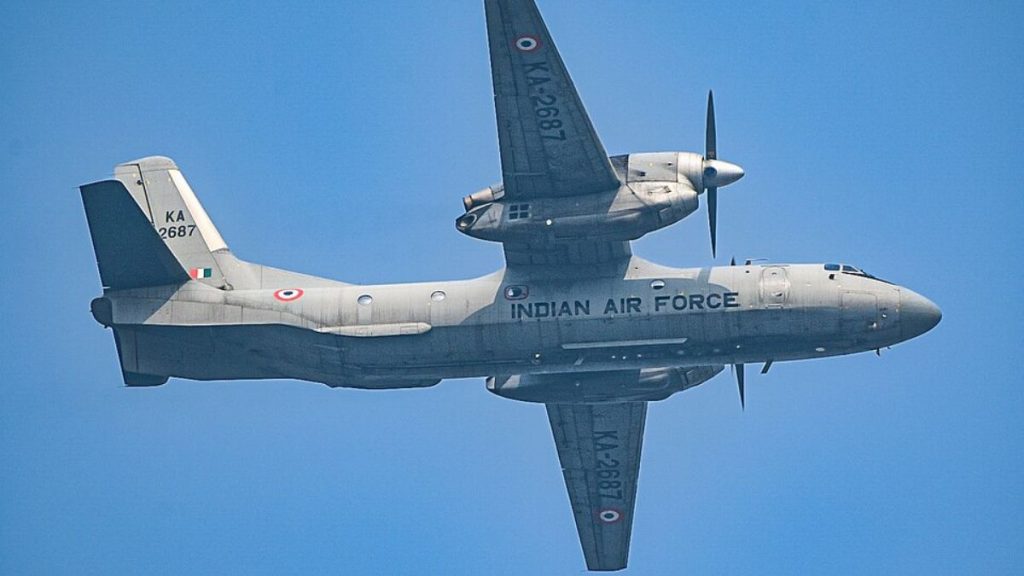
New Delhi: A technical assessment of offers submitted by three foreign vendors for 80 military transport aircraft for the Indian Air Force has been finalized, according to a report by the Tribune. The Ministry of Defence is now preparing to issue a formal request for proposal (RFP) to the shortlisted companies.
The RFP will ask vendors for commercial bids and details of the technology transfer they are willing to offer. This will be followed by field trials, cost negotiations and, eventually, a signed contract.
Known as the MTA (medium transport aircraft) programme, the project is meant to replace the IAF’s fleet of Soviet-origin An-32 aircraft, which has been in service since 1984. The need for a replacement was underlined last month, when one such aircraft crashed, killing all five personnel on board.
Three companies are competing for the deal. Airbus has offered its A400M Atlas, building on its existing Tata partnership to produce the C-295 in India. Lockheed Martin, whose C-130Js already fly with the IAF, has offered the same aircraft through its own Tata-linked facility. Embraer has proposed its C-390 Millennium, partnering with Mahindra Defence Systems.
At its core, the IAF wants something between its two current extremes: light C-295s that can’t carry enough, and heavy C-17s that cost too much to fly for routine missions. The new aircraft would need to carry 18 to 30 tonnes, enough for India’s Zorawar tank, artillery and missile systems, while still landing on rough, short airstrips in places like Ladakh and Arunachal Pradesh.
What the programme involves
Of the 80 aircraft, only 12 will be imported ready-made. The remaining 68 will be assembled in India through a joint venture with a domestic partner, with locally made content expected to progressively cross 50%, spanning structural parts, wiring and software.
India is also seeking control over future upgrades. It wants an aircraft with an open architecture, meaning Indian mission computers, data links and software can be added later without needing sign-off from the original manufacturer each time. Whichever company wins will also be required to build a full maintenance and overhaul facility in India, including engine repair capability.
An-32 fleet gets separate upgrade
Because the new aircraft will take years to arrive, the IAF is separately overhauling around 60 of its existing An-32s to keep them flying in the meantime.
The An-32, known in IAF service as “Sutlej”, was first inducted in 1984 and has been the backbone of India’s tactical airlift for four decades. It is prized for its ability to take off and land on short, rough airstrips, including those in Ladakh above 10,000 feet, making it critical for supplying troops along the line of actual control (LAC) and the line of control (LoC).
The aircraft can carry up to 6.7 tonnes of cargo or 50 soldiers, and has taken part in disaster relief operations including the 2013 Uttarakhand floods and the 2015 Nepal earthquake.
A 2017 report by the Comptroller and Auditor General found the fleet’s serviceability rate had fallen to as low as 40%, largely due to difficulty sourcing spare parts, a problem worsened by geopolitical tensions involving Ukraine, the aircraft’s country of origin.
The current overhaul, led by the IAF’s No. 1 Base Repair Depot in Kanpur in partnership with Indian private companies, involves structural repairs for metal fatigue and corrosion, engine refurbishment, and the replacement of older cockpit systems with digital avionics and GPS navigation. It builds on an earlier upgrade programme carried out with Ukrainian assistance in 2009, which modernized 40 aircraft.
The current effort aims to push the fleet’s operational availability above 70%, in line with modernization targets the IAF set in 2023.